
For industrial operators, the value of autonomous inspection depends on how much of the site a robot can reach safely and reliably. A new door-opening capability allows ANYmal to extend autonomous inspection into rooms that were previously beyond its route.
In partnership with dormakaba, autonomous passage through doors without access control is available for deployment today. For access-controlled doors, ANYmal authenticates using a LEGIC credential within the customer’s dormakaba access system. Following successful validation at GE Vernova’s Whitegate Power Station in Ireland, this configuration is now available on request, with a full rollout planned for 2027.
For plant operators, autonomous door passage expands inspection coverage. For the wider industry, it demonstrates how physical AI can integrate securely with existing industrial infrastructure and move toward greater autonomy at scale.
A Secure and Scalable Approach to Door Access
Critical assets often sit inside restricted rooms or areas protected by fire and access-controlled doors. Previously, ANYmal could not continue its autonomous mission through a closed door. Sites faced three impractical options: leave doors open where permitted, deploy a separate robot in each room, or accept gaps in inspection coverage. Leaving doors open can also compromise essential safety and security functions.
Our approach works with the site’s existing infrastructure and security processes. The implementation depends on whether the door uses access control.
For doors without access control, dormakaba automates the door for autonomous passage, while ANYbotics tests and tunes its interaction with ANYmal.
For access-controlled doors, dormakaba provides the door automation and access-management environment, LEGIC provides the secure credential carried by ANYmal, and ANYbotics tests and tunes the interaction with the robot. When ANYmal approaches an equipped door, it presents its credential. The access-management system verifies the robot’s identity and confirms whether it is authorized to pass through that specific door. Once access is granted, the door actuator opens the door. ANYmal verifies that the passage is clear, walks through, and continues its mission while the door closes behind it.
For access-controlled doors, the interaction takes only seconds, but several important checks happen in the background:
- Identity: The system verifies the credential of the specific robot requesting access.
- Authorization: The access system checks whether that robot is permitted to use that door at that time.
- Safe operation: The automated door confirms that it can open safely.
- Verification: ANYmal confirms that the door is physically open before moving through it.
If access is not granted, the door remains secured. ANYmal reports the issue and adapts its mission. No badge, no entry. The same rule applies to people, preserving the facility’s existing safety and access requirements.
Three Areas of Expertise, One End-to-End Solution
This capability is the result of a partnership in which each company contributes its core expertise.
- dormakaba brings deep knowledge of industrial doors, door automation, and access-management systems. Its technology enables the physical door to open and close safely while preserving its security and fire-protection functions.
- LEGIC provides the secure credentialing and trust layer for access-controlled doors. A dedicated LEGIC credential payload inside ANYmal allows the robot to identify itself to the access system. Access rights can be granted, restricted, or revoked centrally, just as they can for an employee badge.
- ANYbotics brings autonomous robotic inspection. ANYmal understands when and where it needs to pass, verifies the door state, and continues its inspection mission without human intervention.
Together, these components create an end-to-end solution that connects physical AI with the door and access infrastructure already used in industrial facilities.
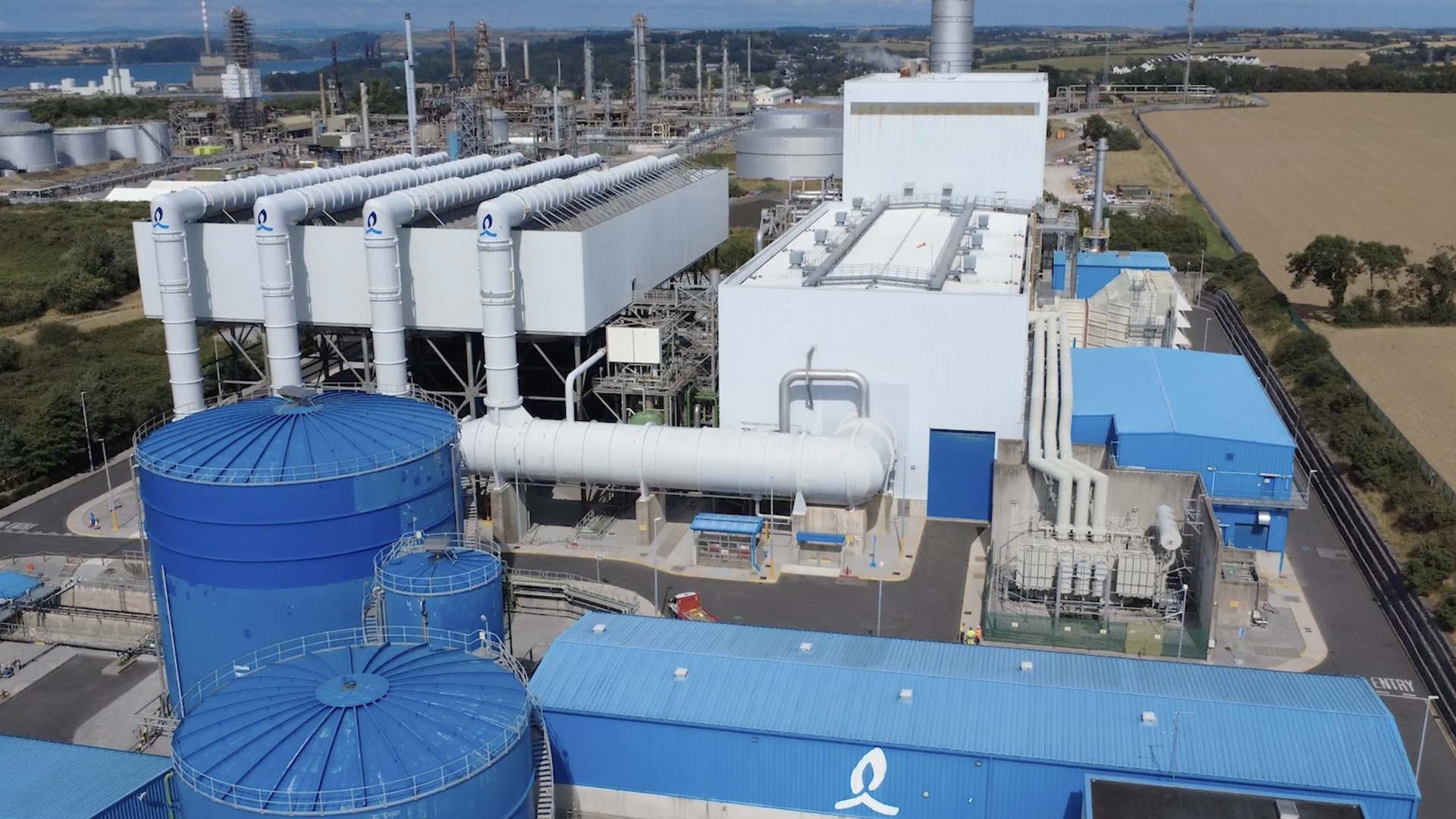
Validated at GE Vernova’s Whitegate Power Station
The GE Vernova Whitegate Power Station in Ireland provided a real industrial environment in which to validate the solution. Two doors were automated at the site, including an access-managed entrance to an electrical room. In operation, ANYmal requests access, passes through the door, and continues its inspection route while the door closes securely behind it.
The Whitegate project demonstrated that the solution works reliably as part of ANYmal’s autonomous rounds, integrates the robot’s credential into the plant’s existing access-management environment, and expands both autonomous inspection coverage and monitoring frequency.
“With the door-opening solution, ANYmal is now able to go into a room where we would have about 400 readings to be taken, which normally would be done by a contractor once a year, and now ANYmal will do it every day.”
This shift from periodic manual checks to frequent, consistent inspection gives maintenance teams richer information and more opportunities to identify developing issues early. The installation also reinforced the potential for expansion: once the first doors were operating, the plant was already identifying additional doors that could be automated.
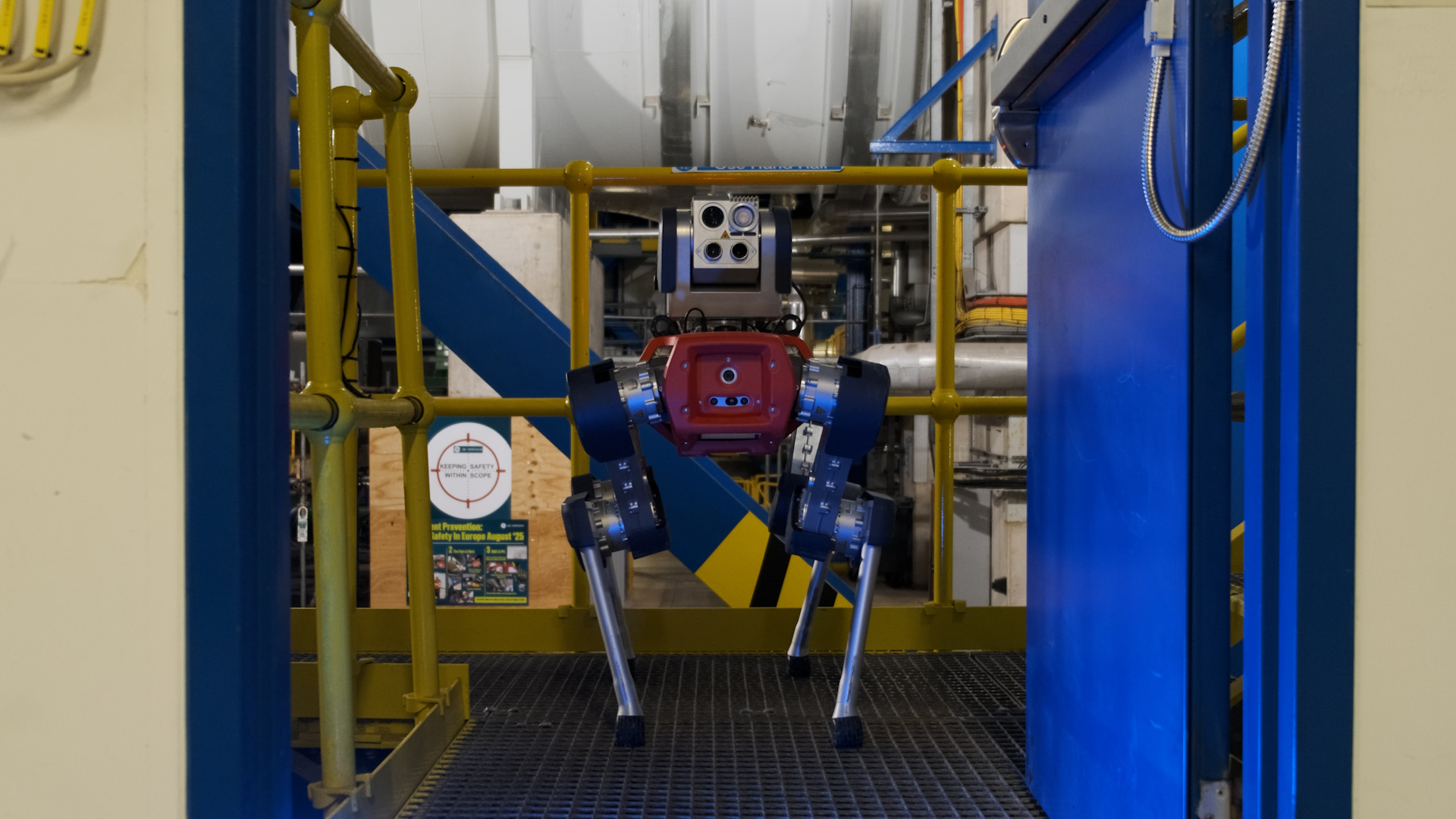
Opening More of the Plant to Autonomous Inspection
For customers, door opening is an important step toward truly site-wide autonomous inspection. It allows robots to reach more critical assets without leaving doors open, bypassing security processes, or requiring a dedicated robot in every restricted room. This can increase inspection coverage, improve data frequency, and strengthen the business case for autonomous inspection across a facility.
The same principle can extend beyond doors. Elevators, gates, turnstiles, and other controlled infrastructure all depend on identity, authorization, safe operation, and verification. By connecting robots securely to these systems, industrial facilities can make more of their existing infrastructure accessible to physical AI.
The significance of this pilot reaches beyond a single customer project. As autonomous robots become a larger part of industrial operations, they will need secure identities, permissions, and ways to interact with the infrastructure around them. This joint solution is one more step toward scaling autonomous inspection across critical industries.