Autonomous inspection
for oil & gas

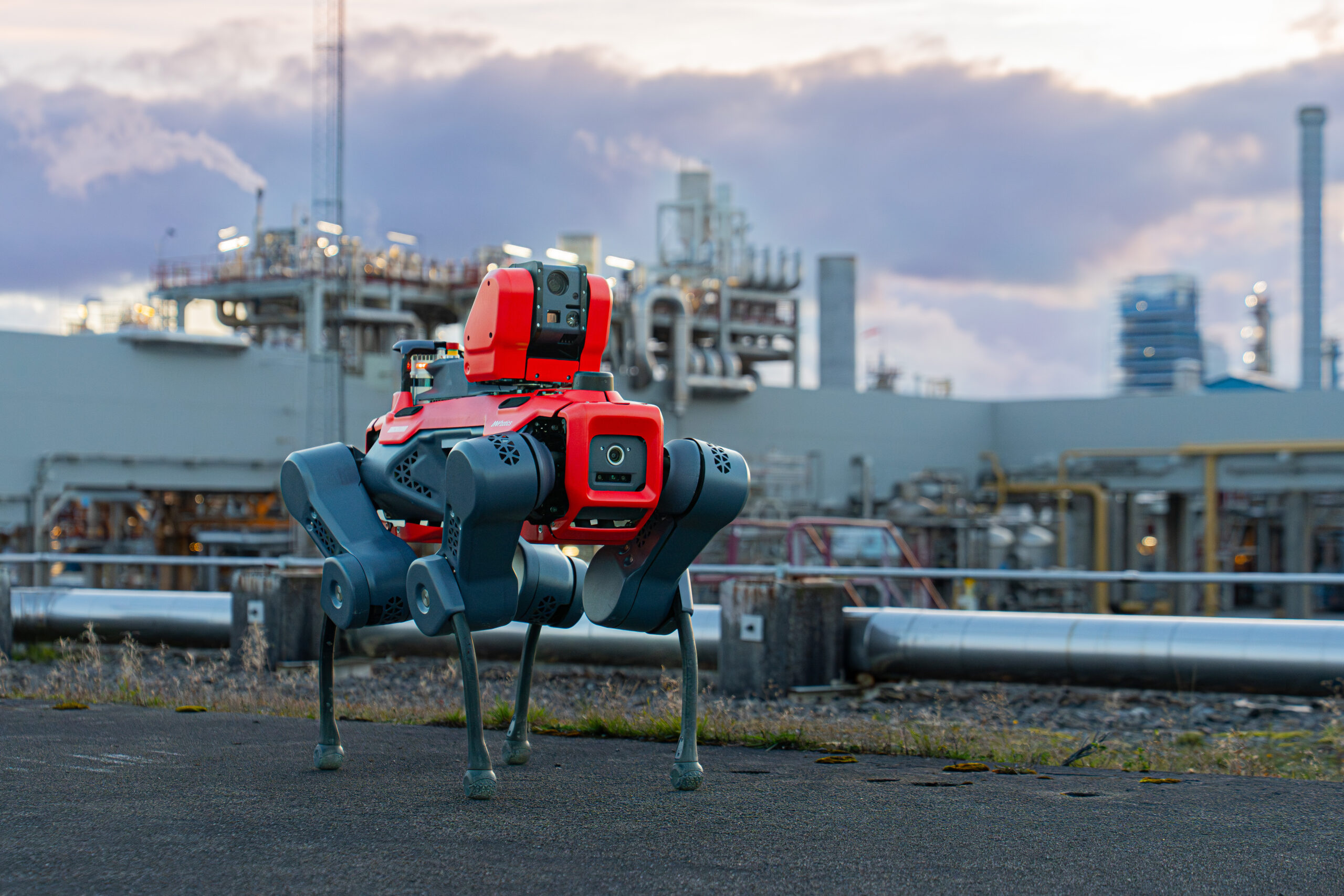
ANYmal X inspection robot at the Equinor plant

Inspect pumps, compressors, valves and pipework while reducing routine entry into hazardous areas. ANYmal X delivers repeatable condition data so your team can spot changes early and plan maintenance.
 
ATEX-certified for Zones 1 and 2.

ANYmal X inspection robot at the Equinor plant

Autonomous industrial inspection at scale:

120,000+
inspections analyzed every month
1,000+
industrial assets monitored
Anymal X Early adopters //

More inspection coverage, less exposure

Fixed sensors miss many assets in process areas, and manual rounds still send people into Ex-Zones. ANYmal X covers these gaps with one repeatable inspection record.

SAFETY

Fewer people in hazardous areas

ANYmal X takes over routine rounds, so operators spend less time near dangerous equipment and atmospheres.

COVERAGE

Beyond fixed sensors

Visual, thermal and acoustic checks on pumps, compressors, valves and pipework, with optional gas measurements along the same approved route.

CONSISTENCY

Repeatable data at scale

The same readings, taken the same way on every round, whether or not staff are available on site.
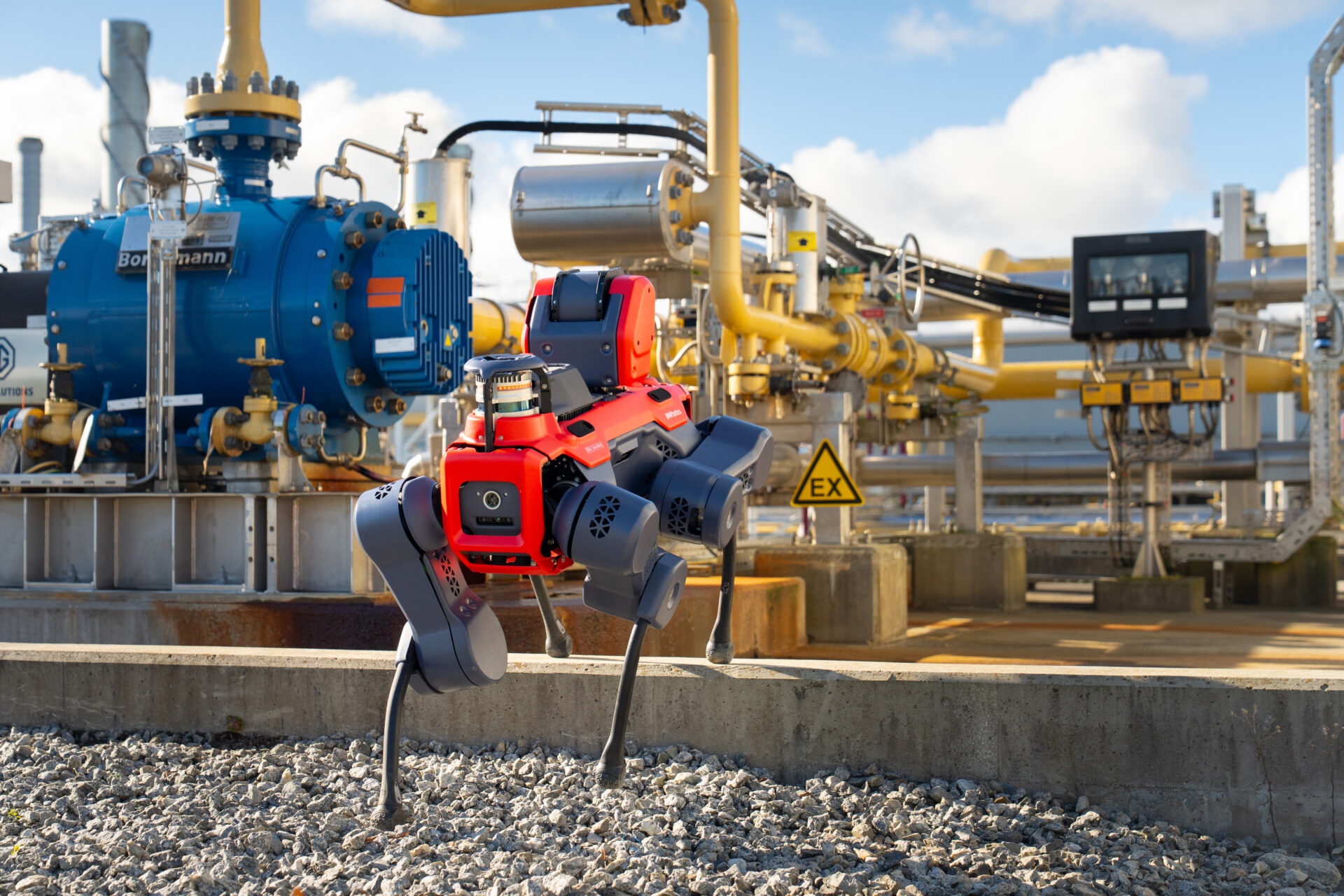
ANYmal X inspection at Equinor

ANYmal X

The autonomous inspection robot built from the ground up for explosive atmospheres in oil and gas facilities

ANYmal X is ATEX-certified for Zones 1 and 2 (Gas Group IIB, T4). IECEx certification will be available with first production. It walks stairs, gratings and multiple levels, and captures visual, thermal and acoustic data on every round. Missions run on schedule, day or night, so routine rounds no longer depend on who is on site.

What ANYmal X inspects in oil & gas facilities

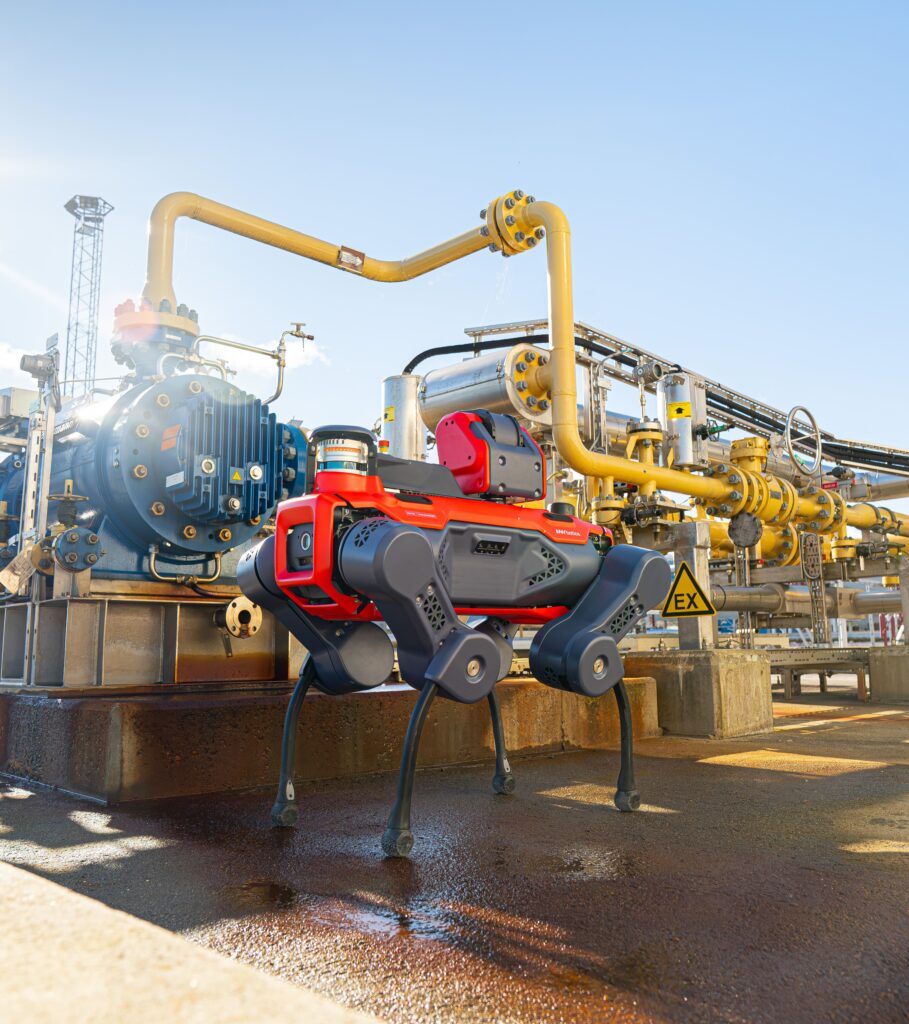
On each round, ANYmal X checks the assets your operators inspect today, using visual, thermal, acoustic and optional gas sensing. Every finding lands in ANYbotics Shift™ as structured asset-condition data.
amx-inspection-oil-and-gas

Gas leaks

Acoustic imager and optional gas sensors locate gas and air leaks across process areas.

Rotating equipment

Acoustic and thermal checks flag mechanical anomalies on pumps and compressors.

Thermal hotspots

Radiometric imaging finds overheating on flare lines, vessels and heat exchangers.

Gauges and indicators

Zoom imaging reads gauges, level indicators and alarm lights.

Equipment state

Object detection verifies valve positions and equipment status.

Leaks and wear

Visual change detection spots liquid leaks, misalignment and surface wear.

Iskandar Al-Thani Mahmood

Having ANYmal X Ex-certified up to Zone 1 will really enable us to bring the robot very close to our process area, and that’s where you create value.

// Iskandar Al-Thani MahmoodManager Robotics, PETRONAS

Plan your next step in autonomous inspection

Explore the robot, connect the inspection workflow and assess the opportunity at your site.

Business Value Assessment

We review your inspection rounds, identify suitable tasks and build a business case around your site's routes, risks and operating costs.

Request an assessment

ANYmal X brochure

Review the robot, inspection payload and deployment requirements for hazardous process areas.

Download brochure (PDF)

ANYbotics Shift™

Connect scheduled rounds, asset-condition records and maintenance action in one operations platform.

Explore Shift


Frequently Asked Questions

What oil & gas teams need to know before bringing autonomous inspection on site.

Which ANYbotics robot is right for oil & gas: ANYmal X or ANYmal D?
It depends on the area classification of your inspection routes. ANYmal X is built for Zone 1 and Zone 2 areas with gas atmospheres up to Gas Group IIB, T4. ANYmal D is for areas outside Ex-Zones, such as substations, utility buildings and other non-classified parts of the site. Both run on ANYbotics Shift™, so routes inside and outside Ex-Zones are planned, scheduled and reviewed in one place.
Can ANYmal X inspect Zone 1 and Zone 2 areas?
ANYmal X holds an ATEX EU-type examination certificate issued by Bureau Veritas for Zone 1 and Zone 2 gas atmospheres up to Gas Group IIB, temperature class T4. IECEx certification will be available with first production. Deployment requires the applicable unit conformity route and site approval. Zone 0, combustible-dust atmospheres and IIC gases, including hydrogen, are excluded.
Which assets and inspection tasks should we prioritize?
Typical tasks include thermal checks on pumps, compressors, vessels and heat exchangers; acoustic inspection of rotating equipment and pressurized systems; instrument readout; and visual checks for equipment state or liquid leaks. Start with tasks where routine access, inspection frequency or data consistency create a clear operational need.
Can it detect gas leaks and gas presence?
Acoustic imaging helps localize gas and air leaks. The optional gas-sensing module adds selected combustible, toxic and atmospheric gas measurements along inspection routes. Sensor selection depends on the application and approved configuration. These capabilities support inspection and do not replace fixed safety systems, personal gas detectors or safety-rated alarms.
Can it work across stairs and multiple plant levels?
ANYmal X uses legged mobility to navigate approved routes across stairs, grated walkways and multiple levels. Routes are validated during commissioning against the actual site layout. Zone 1 stair configurations must be verified, and stairs require guardrails. Access and inspection coverage are confirmed for the route rather than assumed for the entire facility.
Does certification remove the need for permits?
Your site’s permit-to-work and access procedures still apply. The robot’s approved scope determines where the equipment may be used; the site operator decides which permits and controls are required. Deployment planning brings the robot’s operating instructions, area classification and your site procedures together.
How do inspection results reach the control room and maintenance team?
ANYbotics Shift organizes readings, images and recordings by asset, so teams can review condition history and investigate anomalies. REST API integrations connect confirmed findings to existing maintenance, asset-performance and plant systems. The workflow and connections are configured with your IT, OT and reliability teams.
How do we establish the business case?
Start with your inspection tasks, round times, labor costs and access requirements. Assess which tasks the robot can take over, the time available for other work and the value of more consistent condition data. Validate coverage and data quality on an initial route. Any estimate of reliability benefits is assessed separately; returns depend on the site.
How do we get started?
ANYbotics works with your team to define the business goals, select assets and inspection tasks, and assess the site. Preparation covers the robot’s conformity route, approved inspection routes, a sheltered non-hazardous area for charging and nitrogen refilling, IT/OT integration and operator training. The first route is commissioned and validated before scheduled rounds begin.

Which inspection route could you automate?

Ask for a Business Value Assessment or an on-site demonstration.

WHICH INSPECTION ROUTE COULD YOU AUTOMATE WITH ANYMAL X?

Ask for a Business Value Assessment or an on-site demonstration.

Talk to an expert