
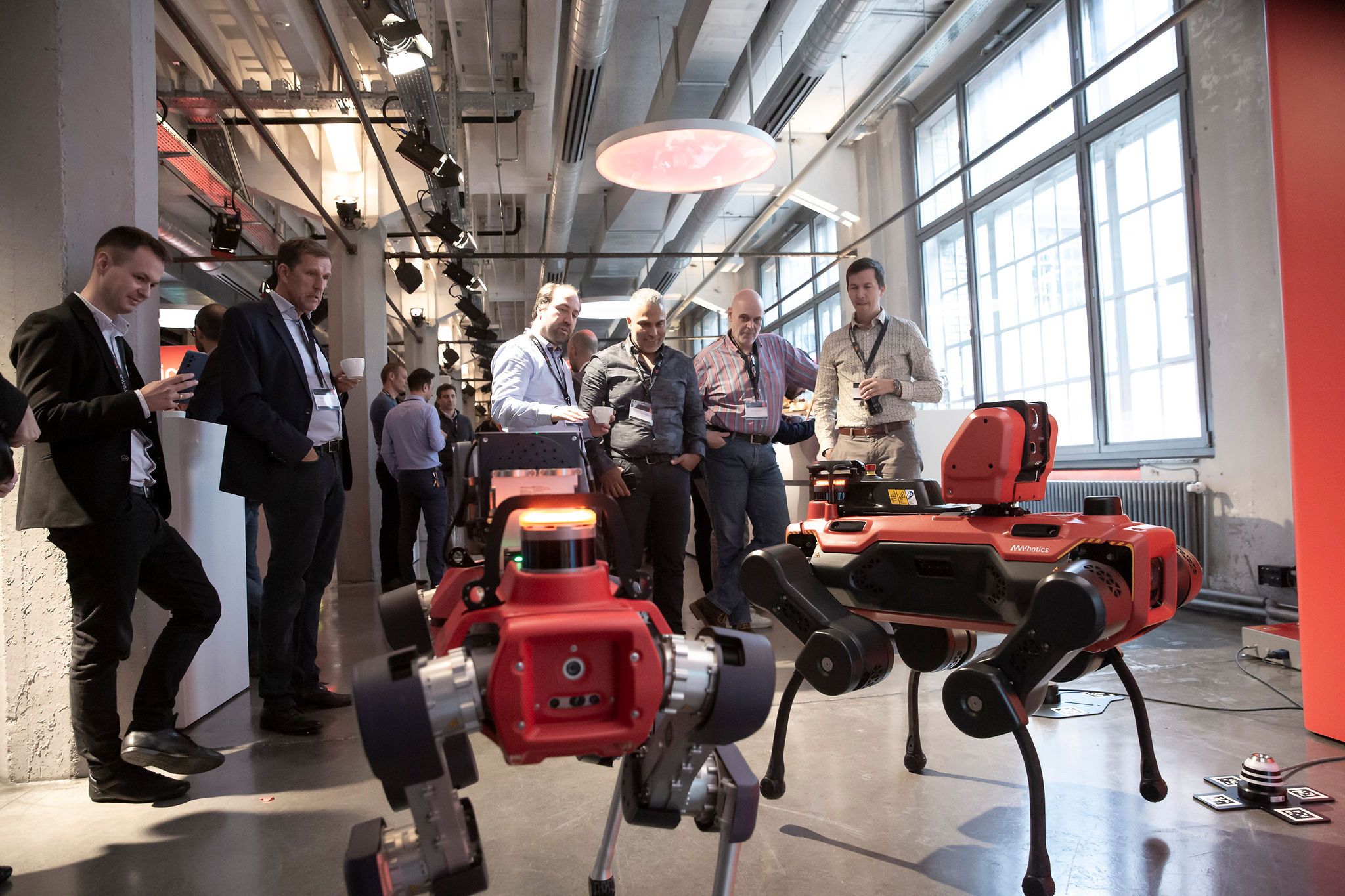
On October 28 and 29, industrial leaders, customers and robotics experts came together in Zurich for the ANYbotics Industry Forum 2026. Under the theme “Full Fleet Ahead”, the conversations focused on what it takes to bring autonomous inspection into daily operations and scale it across plants and sites.
The forum also marked the launch of ANYmal X, expanding autonomous inspection into potentially explosive environments. It was a significant step in the journey toward fleets that can inspect more of the industrial sites where people work.
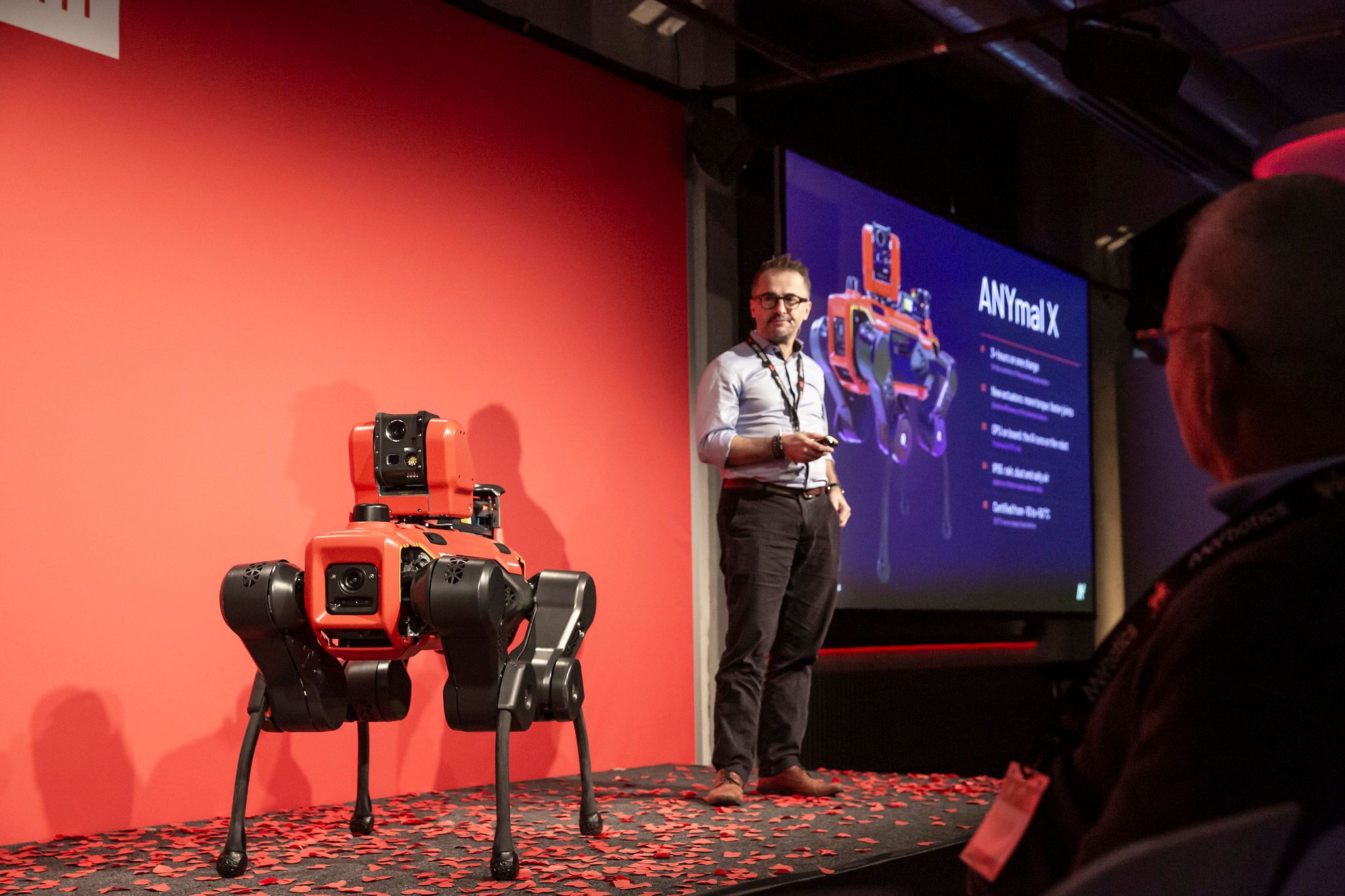
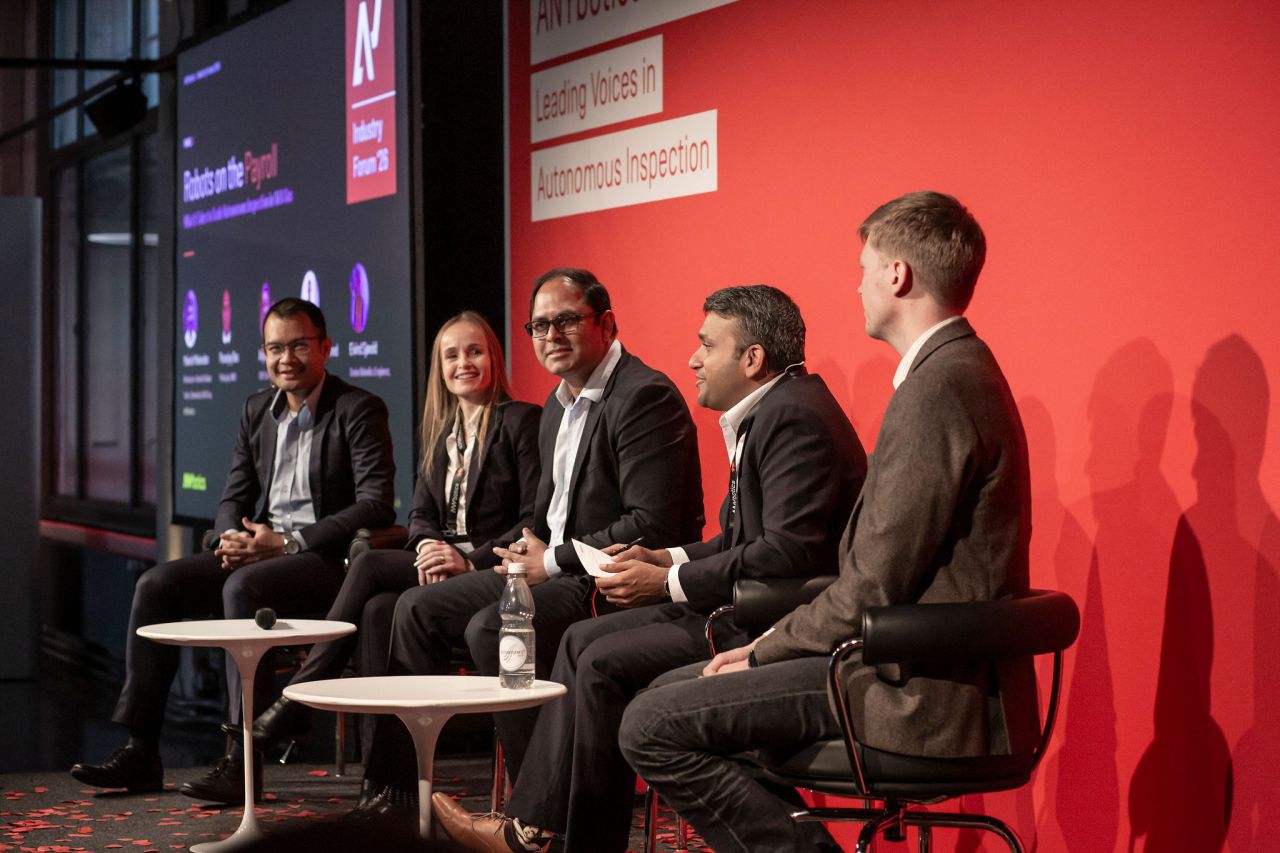
A central part of the forum was hearing directly from the people putting autonomous inspection to work. Customers and partners from GE Vernova, Kanadevia Inova, Steelmet/Viohalco, Titan Cement, Westlake and SLB shared experiences from power generation, waste-to-energy, metals, cement, chemicals and oil and gas. Their perspectives drew on hands-on deployments, from early pilots to established operations and plans for expansion.
Across the presentations and Industry Exchange, a shared picture emerged: scaling autonomous inspection takes trust on site, connected workflows, clear ownership and evidence of value.
Here are five themes from AIF 2026.
1. Trust starts with the people on site
A robot may be capable of running autonomous missions, but it becomes part of a plant’s daily operations when the people around it understand and trust it.
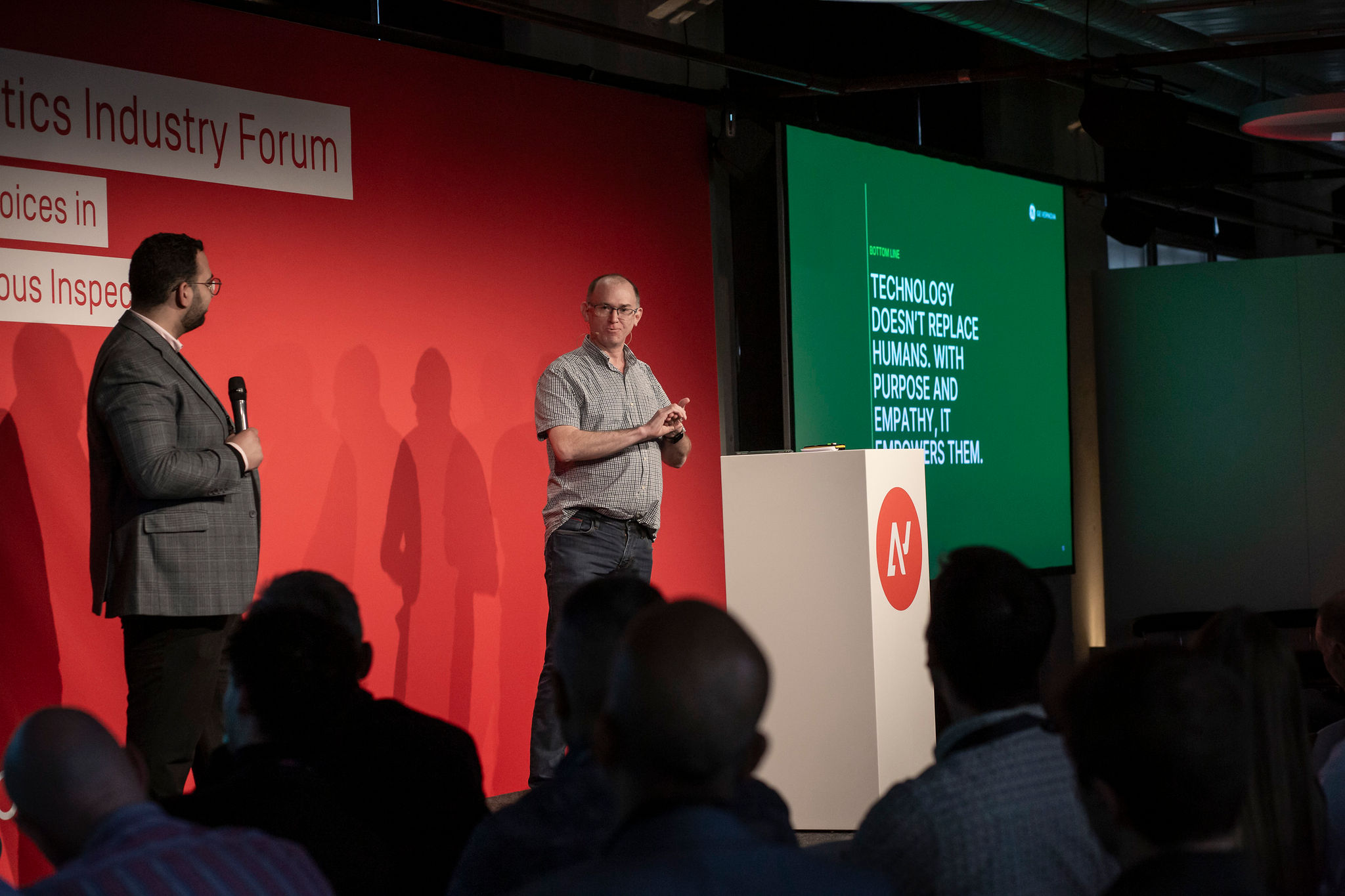
Building that trust at GE Vernova’s Whitegate Power Station began with the shift teams. Brian Carroll described how volunteers trained as “ANYmal Experts,” while early trials moved from nighttime to daytime so more staff and contractors could see the robot at work. As familiarity grew, operators began designing new missions themselves.
“Technology doesn’t replace humans. With purpose and empathy, it empowers them.”
The Whitegate team also brought inspection results into its morning alignment meetings. That made the robot’s work visible in a setting where operational decisions were already being made.
The lesson extends beyond a single site: training, visibility and local participation give teams the confidence to make autonomous inspection their own.
2. Inspection findings need a path to action
Collecting inspection data is only the beginning. To be useful, a finding must reach the right person with enough context for them to decide what happens next.
One example came from Julie Clavier of Kanadevia Inova, who shared how the company is building autonomous inspection into the operating rhythm of a waste-to-energy plant. In the operating model presented, a remote expert reviews and prioritizes findings before sharing them with the night shift. The site team can then confirm or dismiss an issue and raise a work order in the maintenance system. Confirmed work orders become part of the shift handover and maintenance meeting.
The approach combines robotics with plant expertise. Inspection data is considered alongside operational data, helping teams understand a potential anomaly in the context of how an asset is running.
Connecting inspection to action was also central to Muzahidin Muhamed Salim’s presentation for SLB. He showed how robot data and asset intelligence can support analysis and feed findings into systems used for maintenance planning and work orders.
For lean site teams, that matters. A focused set of actionable findings is more useful than another stream of information to monitor. By connecting inspection results to existing handovers, meetings and maintenance processes, teams can make the robot’s work part of the working day.
3. Local ownership makes a deployment repeatable
Every plant has its own assets, routines and priorities. Scaling across sites therefore calls for a shared approach that also gives local teams room to shape how it works.
For Westlake’s Gendorf pilot, a dedicated operator, a cross-functional team and visible leadership support were essential. Gerlof Bouma described how hands-on demonstrations helped colleagues understand the technology, while participation gave the site team a role in its adoption.
Westlake also emphasized documenting inspection knowledge: the checks technicians make and the experience behind them. Making that knowledge explicit helps teams design useful missions and share what they learn with other sites.
Ownership can also be seen in the routines a plant builds around its robot. Ilias Panagoulias explained how Titan Cement’s Usje team plans missions and reviews results, with a clear support chain in place when help is needed. The site also created a dedicated space for the robot.
Once that experience is established, it can travel between plants. Kleisthenis Stamatiadis of Steelmet described how Sovel’s operator helped train teams from other sites. Steelmet also outlined a common framework for scaling across Viohalco’s businesses, while developing a business case for each plant’s own priorities.
Together, these examples show how local ownership and shared learning can support one another. Each site can build on prior experience while defining the inspection points and workflows that matter in its own environment.
4. Value becomes clearer through validation
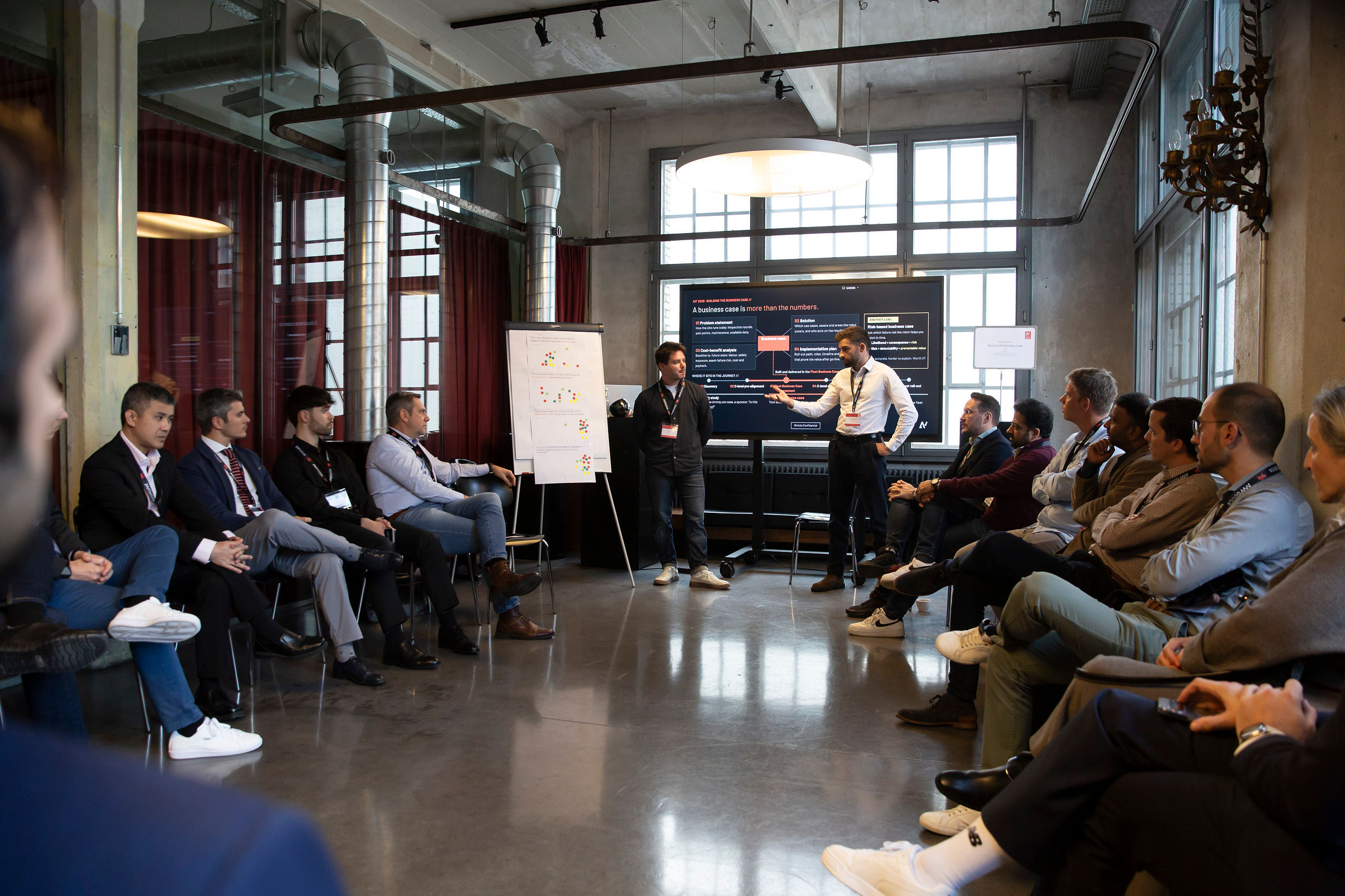
Adopting physical AI brings challenges beyond the technology itself. As Christian Jansen of McKinsey & Company noted in his presentation, organizations need a compelling business case, the right capabilities and the infrastructure to support it.
The customer presentations showed what addressing those challenges can look like in practice. Teams are defining use cases, measuring findings and building evidence at individual sites before deciding how to expand.
A phased approach presented by SLB follows three steps: prove, expand, commit. The starting point is a focused deployment with baseline measures. The next steps extend coverage and connect workflows before scaling the program across sites.
At Titan, findings are connected to the actions taken and the value created, building evidence for decisions about future sites. Kanadevia Inova described developing use cases and business-case estimates with operators, then demonstrating savings on site against a defined baseline.
Following its first pilot phase at Gendorf, Westlake is focusing on quantifying selected use cases and validating anomaly detection.
These approaches share a practical principle: agree on the use cases, establish how success will be measured, and use operational experience to guide the next investment.
5. Fleet operations need a connected workflow
As deployments grow, teams need a way to manage more than individual missions. They need to plan inspections, operate robots across sites, review findings and connect those findings to the systems people already use.
ANYbotics experts explored these parts of the scaling journey during the forum. The sessions brought together deployment, fleet operations, inspection findings and integration as connected parts of an autonomous inspection workflow.
The customer stories brought those needs to life: a site team planning missions, experts reviewing findings and maintenance teams deciding what action to take. At fleet scale, those activities need to remain connected across more assets, people and locations.
ANYbotics Shift supports that workflow, from planning and managing robot operations to reviewing inspection data and connecting insights with maintenance processes. As teams extend inspection across more assets and sites, a shared platform can help them keep the work organized and make findings accessible to the people responsible for action.
From research to real-world operations
The customer stories at AIF showed what it takes to make autonomous inspection work today: people who trust and take ownership of the technology, findings that lead to action, and evidence that guides the next step.
Looking further ahead, Marco Hutter, professor of robotic systems at ETH Zurich, head of the ETH Robotic Systems Lab and co-founder of ANYbotics, shared a view into the research advancing robotics, including how robots can learn in simulation before applying those skills in the real world. It was a reminder that the future of autonomous inspection will be shaped by both continued research and the practical experience gained at industrial sites.
Thank you to the speakers, customers and guests who shared their perspectives at AIF 2026. If you’d like to continue the conversation about autonomous inspection at your sites, get in touch with our team.