

Run your Fleet.
Act on Findings.
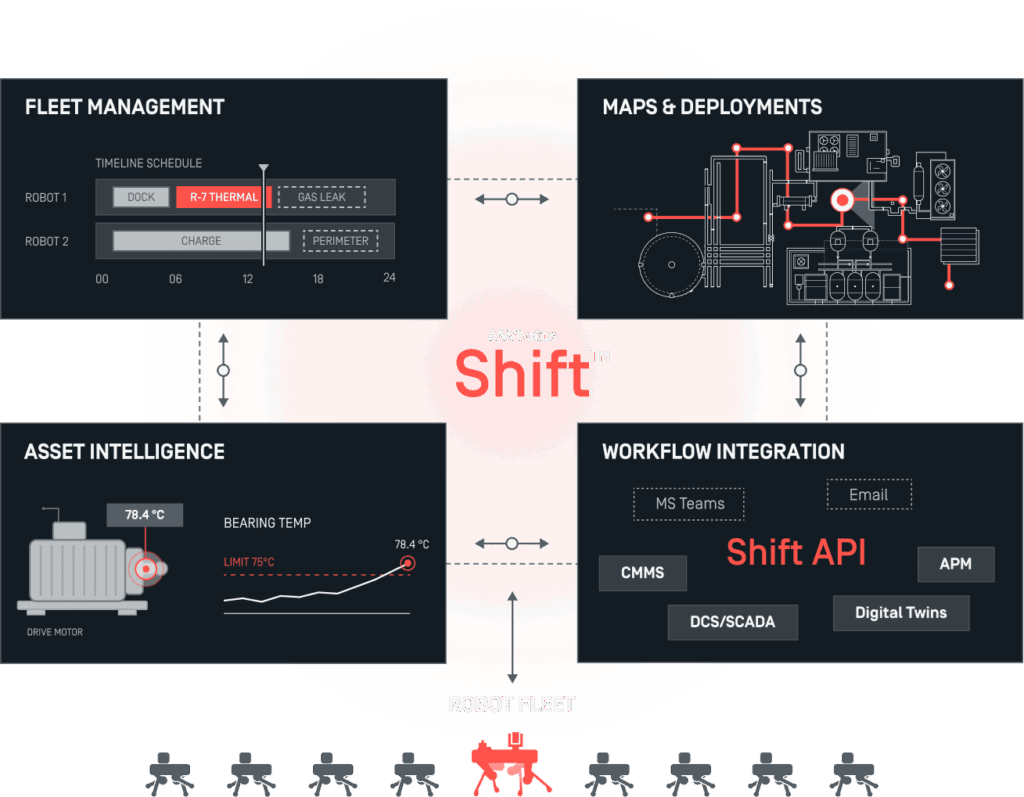
The operations platform for autonomous industrial inspection that helps maintenance and reliability teams plan robot missions, spot failing equipment, and turn findings into work orders.
Autonomous industrial inspection at scale
Trusted by industrial teams worldwide.












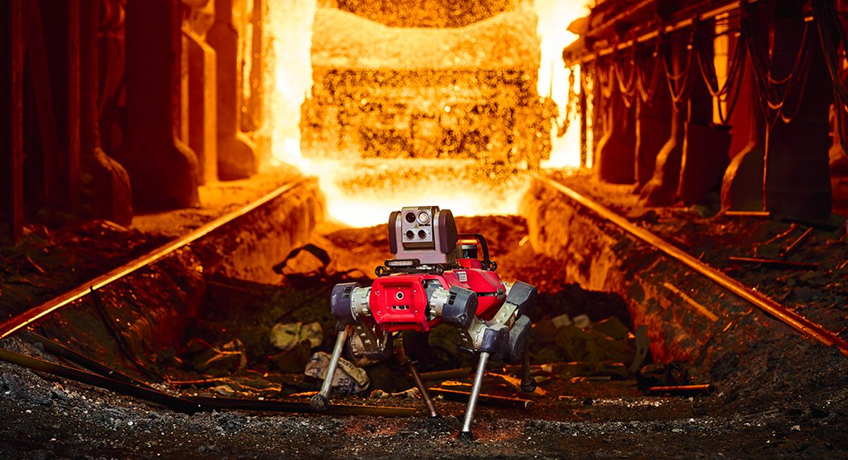
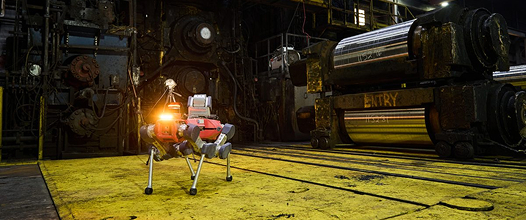
Built for robot fleets
Robot fleets are moving from pilots to infrastructure. Shift is the platform that makes fleet operations work at industrial scale, optimized for the four things that decide success:
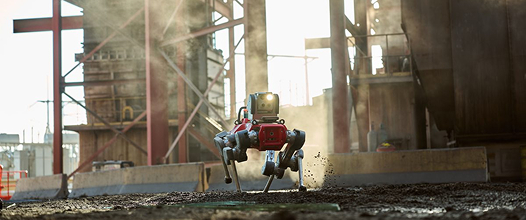
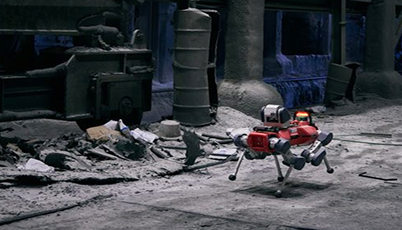
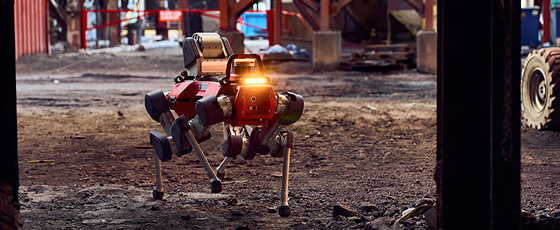
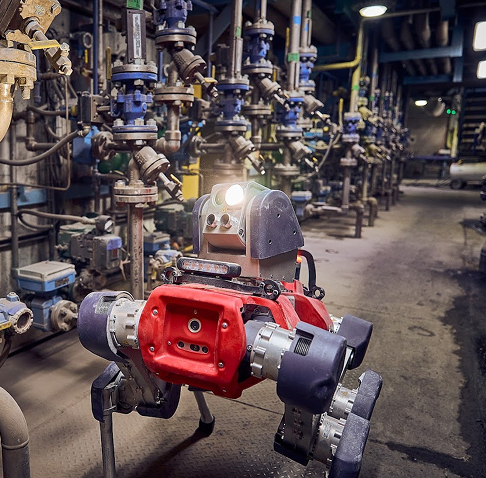
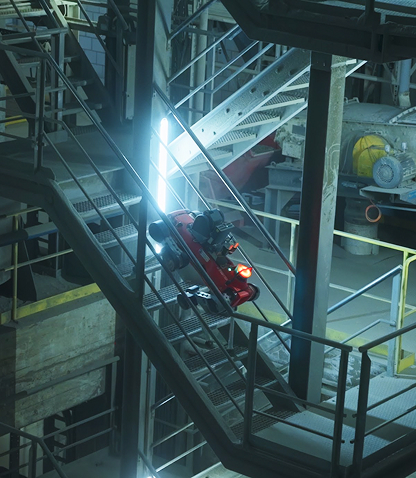
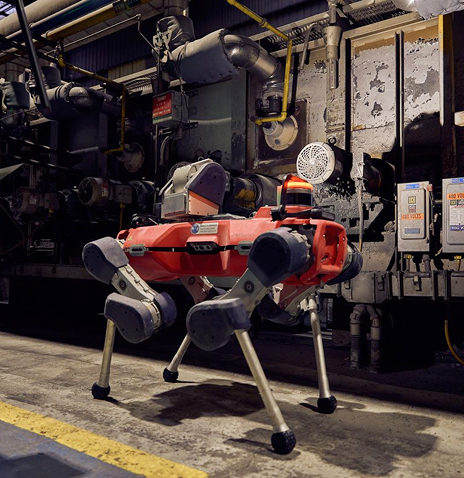
Easy to use for everybody.
Operators, maintenance planners, reliability engineers: no robotics experts required.
Deployment at scale.
Sites go live in days, not weeks: commissioned by technicians, from the desk, template-based.
Every finding in context.
Inspection data is analyzed per asset, with its location, history, and process context, and becomes a recommendation, not a raw reading.
Part of how the plant runs.
Findings flow into your systems as work, asset state triggers missions, and the robot operation becomes part of your daily process.


From asset inspection to maintenance action, in one platform.
Shift links plant model, robot fleet, asset intelligence and maintenance systems in one closed loop: inspections become work orders, and work orders, DCS thresholds or APM alerts become robot tasks that Shift dispatches to the fleet.
Minimize time to deploy
Shift Maps is the living model everything else in Shift runs on: your asset hierarchy in 2D and 3D context. Build it before the robot arrives, commission from the desk, and send technicians instead of specialists.
- 3D environment: an interactive 3D model from robot or handheld LiDAR scans.
- Offline editing & environment sync: prepare and adjust deployments from the desk, then sync to the robots. No site visit for changes.
- Handheld mapping: map a site in a walk-through, before any robot is there.
- Asset templates: one template per equipment type defines what to check and how often. Set up a pump once, apply it to every pump.
- Data import: point clouds, maps and asset structures by ID. Every reading lands on the asset your systems already know.
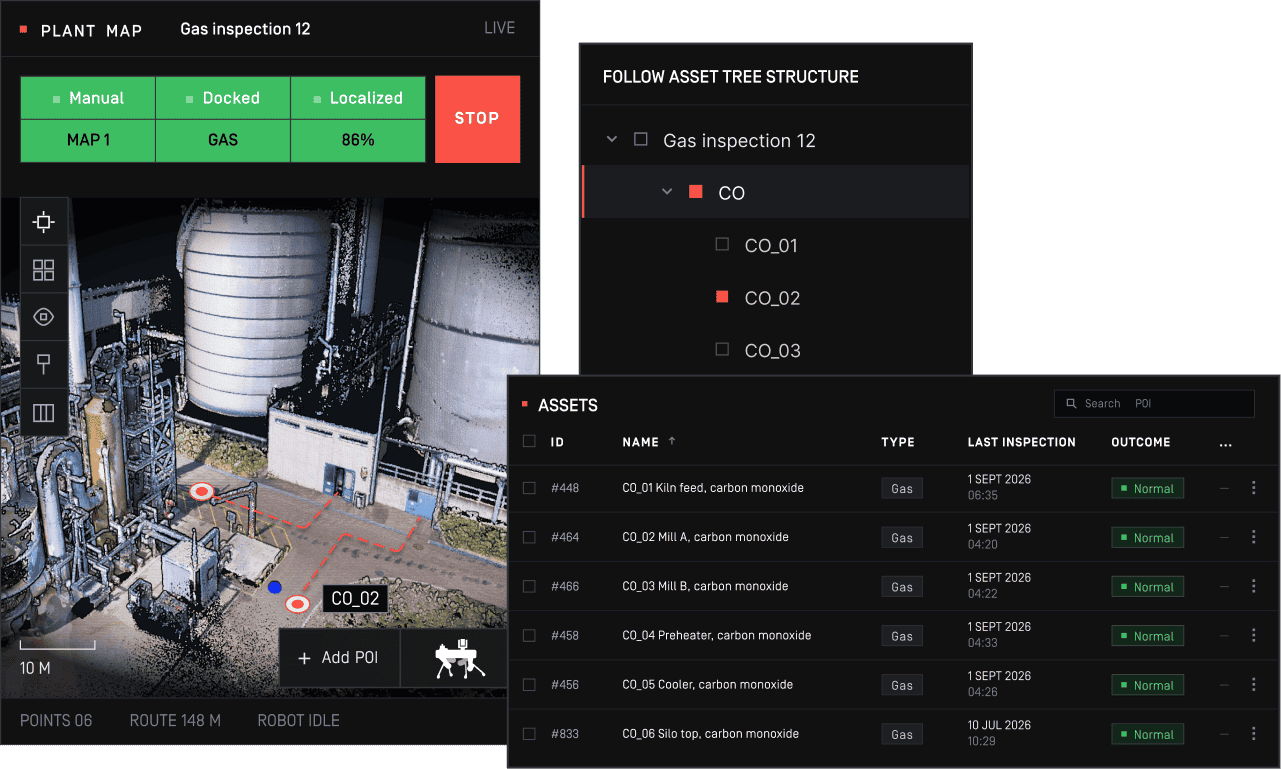
Schedule and run your robot fleet
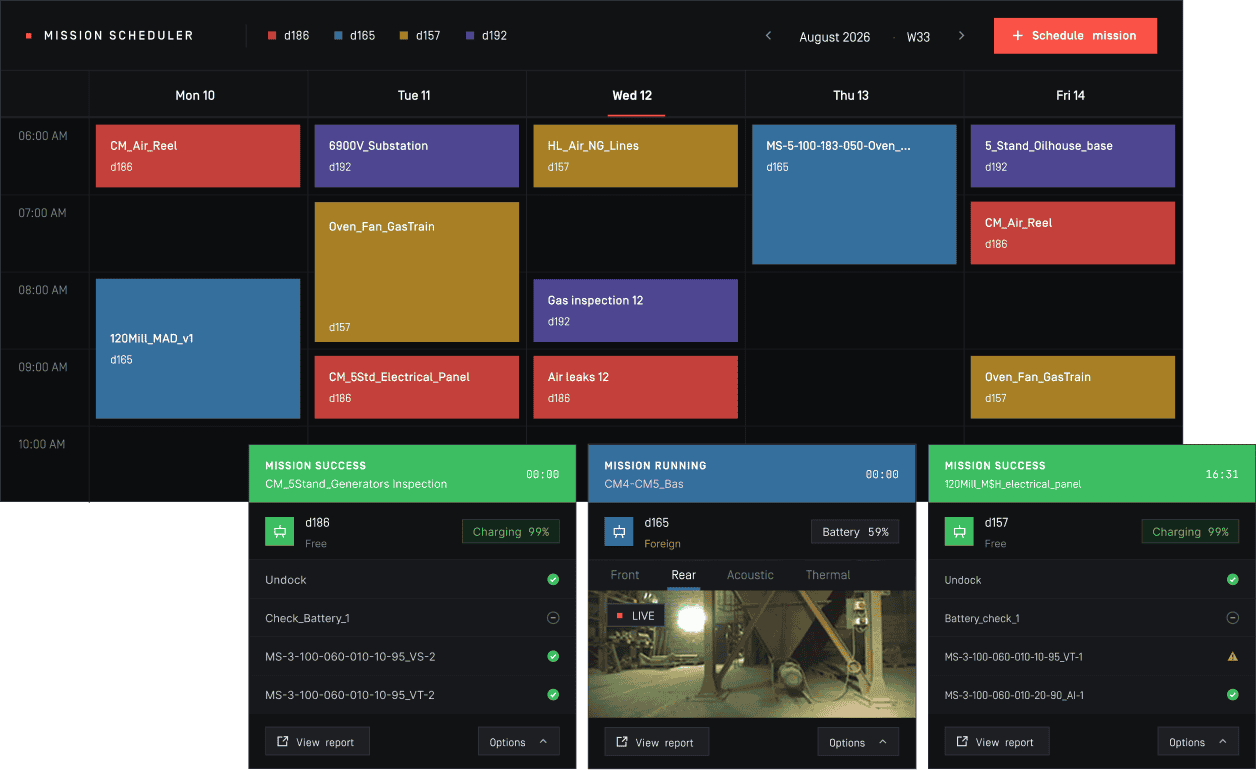
Schedule, monitor, and manage every robot from one place. Missions run themselves; your team acts only when it matters.
- Mission scheduling: plan inspections in a calendar the way teams already plan work. Recurring rounds, priorities, and time windows, executed autonomously.
- Live monitor: where each robot is, what it is inspecting, and its status, in real time.
- Tele-assist: when a robot needs help, the right person is notified and can resolve it remotely. Exceptions become minutes, not site visits.
- Fleet operations: charging, availability, and task load balanced across the fleet, so inspection coverage continues around the clock.
Detect problems before they become failures
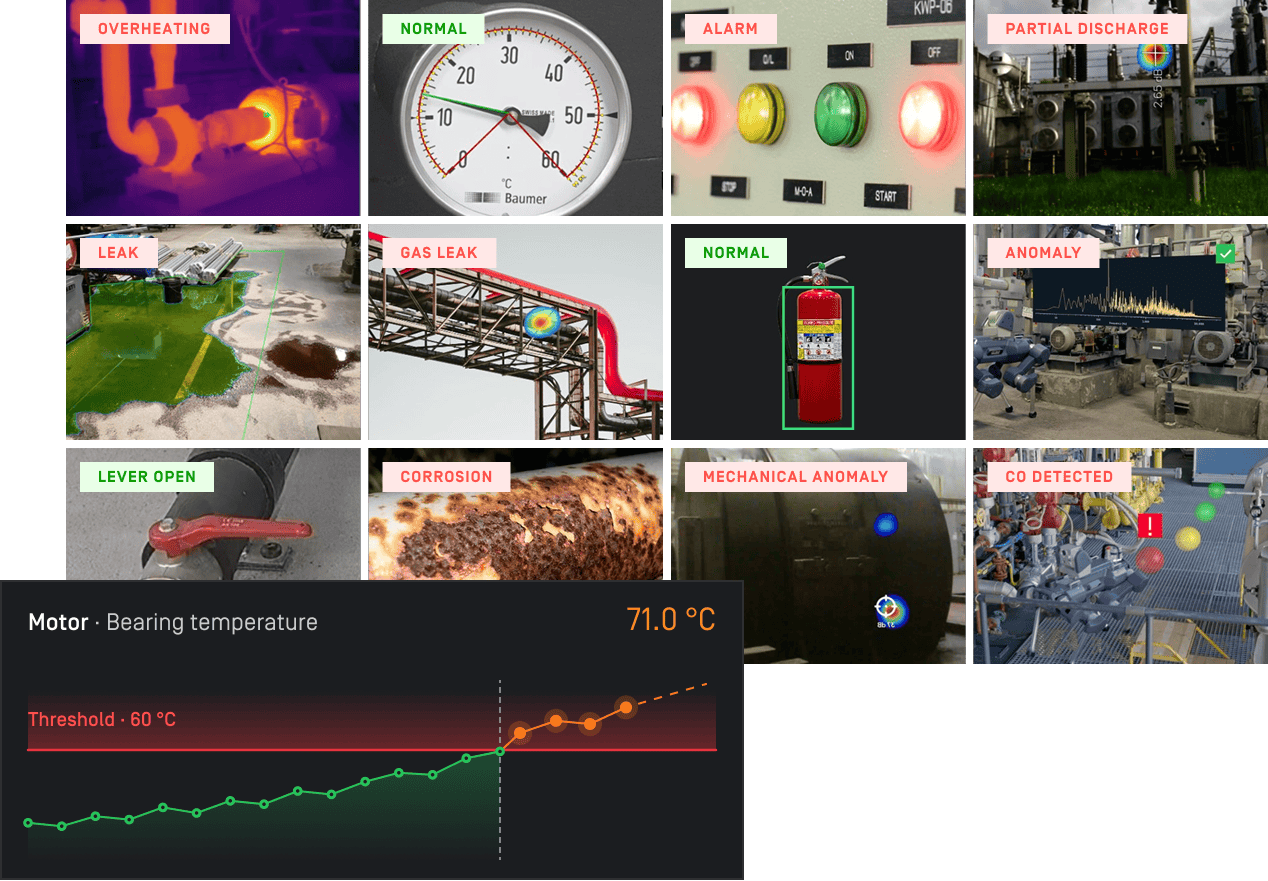
Every inspection builds a clearer picture of asset health. Readings are analyzed per asset, against its own history and operating conditions, so teams act before issues turn into downtime.
- Visual intelligence: vision-language models read gauges and equipment state, and detect leaks, corrosion, cracks, misalignment, and housekeeping violations.
- Thermal analysis: overheating, hotspots, and temperature drift per asset, against operating load.
- Acoustic and vibration analysis: bearing wear, abnormal vibration, partial discharge, and gas or air leaks, from frequency signatures.
- Asset health: trends, thresholds, and every inspection in one view per asset. Contextualization rules combine readings with process data to identify failure modes and recommend the next action.
Findings become work orders
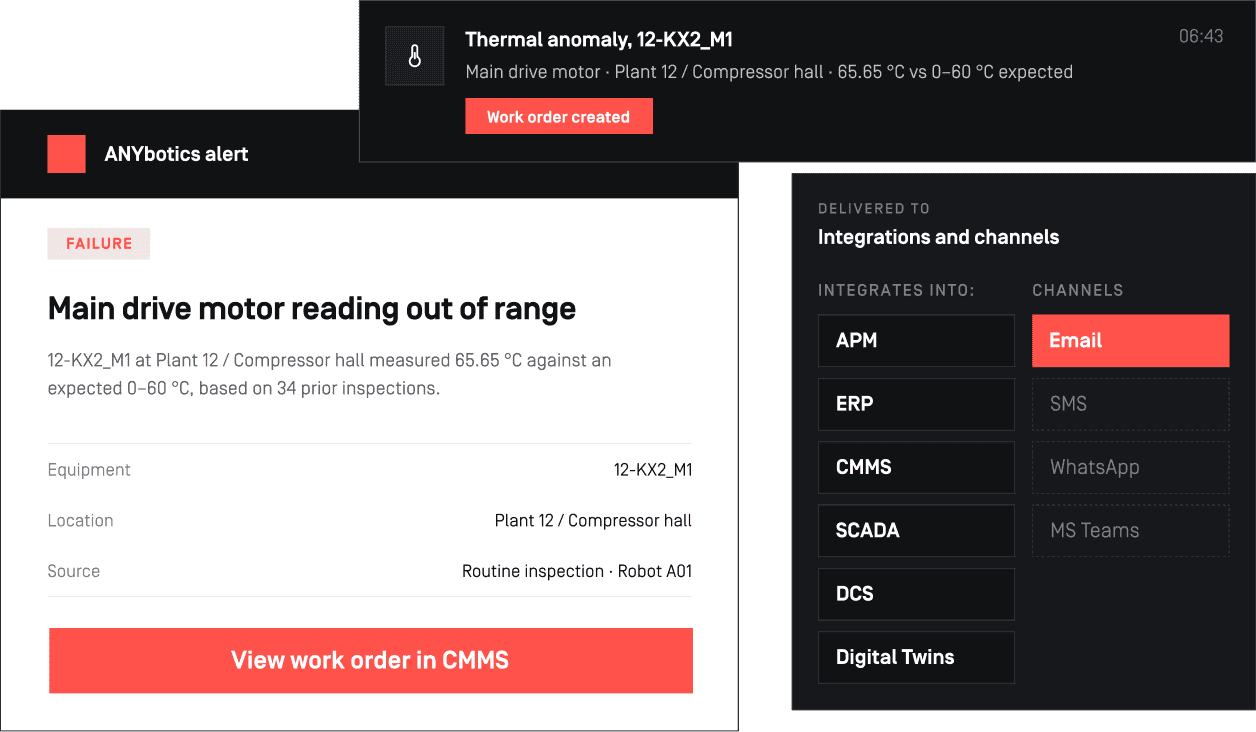
Built around APIs from the start. Confirmed findings flow into your systems as work orders, and a work order, a DCS threshold, or an APM alert dispatches the robot fleet in return.
- REST API: assets, findings, and inspection tasks, in both directions. Task the fleet from your systems, receive findings back.
- CMMS integration: findings into SAP, IBM Maximo, and other maintenance systems, and inspection work orders out to the robots.
- DCS integration: process data adds context to findings, and thresholds trigger inspections automatically.
- Notifications: email and Microsoft Teams today, SMS and WhatsApp next.
- Partner ecosystem: digital twins, APM platforms, and failure mode models through the same API. An APM alert can dispatch a robot to verify.
Four connected modules. One inspection platform.
Shift is one platform, experienced as four modules: know the plant, run the fleet, see the problems, close the loop. None works alone; each depends on what the other three know.
At its core, Shift AI is the shared intelligence all four work on. Maps holds the living model of your plant, Fleet plans inspection tasks against it, Insight turns readings into findings against each asset’s baseline, and Connect delivers findings to your systems and brings their signals back. Every cycle through the workflow feeds Shift AI, which makes the next one smarter.
API-first. Your systems get smarter. No interface lock-in.
Shift is not built to be your team’s new screen. It makes the screens they already use smarter: the CMMS, the DCS, the APM. Shift sits between the robot fleet and those systems: a work order requests an inspection, the fleet executes it, the finding returns with evidence, and nobody opens a robotics tool.
Every capability runs through a REST API, in both directions: your systems task the fleet as they task people. Shift‘s own interface serves the fleet operators and fills the gaps where your systems stop.
Shift API supports
- Data Landing
- Mission Triggering
- Mission Scheduling
- Mission Monitoring
- Robot Health Monitoring
- Environment Interaction & Setup
We integrate with platforms such as:
ABBAVEVA PICogniteEmersonEmerson AMSGE APMHoneywellIBM MaximoOracle EAMPalantirSAP PMSeeqSiemensSiemens EnergySLBYokogawaand more




How your whole team benefits from using ShiftTM.
From planning inspections to resolving findings, Shift connects the people, data and systems involved at every step.
Catch problems before failure
Shift Insight tracks asset condition over time and highlights changes before they become failures. Trends, thresholds and inspection history help reliability teams understand what is changing, what matters and where to act first.
Keep production moving
Schedule routine inspection rounds in Shift Fleet and let the robots handle them. Operators can monitor every mission from one place and step in through tele assist when needed, while inspections continue consistently across the plant.
Turn findings into action
Shift Connect sends inspection findings directly into your maintenance systems, together with the evidence behind them. Photos, readings and asset history give technicians the context they need to prepare the right response and resolve issues faster.
Connect inspection to your stack
Shift's API connects with your DCS, APM, ERP, and CMMS, and Shift Maps ingests the plant data you already have: point clouds, asset structures and location.
One view of risk across every site
Shift brings asset condition, inspection coverage and fleet activity together in one view. Plant leaders can see where risk is increasing, where inspections are happening and where teams need attention, helping them improve availability and use skilled resources more effectively.


Results from teams running ShiftTM.
Across oil and gas, utilities, cement, chemicals, and metals, Shift helps industrial teams reduce costs, protect uptime, scale inspections, and keep people out of hazardous areas.
33,000+

At its Péry plant, ANYmal runs nightly across three mills and six floors. Shift structures every reading by asset, helping the maintenance team identify changes early and plan repairs before failures occur.
Read Case Study+1.5%

At Grace’s Düren plant, ANYmal completes more than 120 thermal, visual, and acoustic inspection goals per mission. The resulting data helps the team detect anomalies earlier and move from unplanned toward scheduled maintenance.
Read Case Study40%

At a 500 MW power plant in Ireland, autonomous robots monitor more than 15 assets and feed inspection data into GE Vernova’s APM. Early hotspot detection enabled the team to prepare maintenance for a planned shutdown, helping avoid more costly damage and lost production.
Read Case Study80%
Across sites in Finland, Germany, and Sweden, ANYmal inspects hazardous areas and relays the data to control rooms. Employees stay out of harm’s way and can focus on higher-value work.
Read Case StudyWhat makes ShiftTM different.
Shift is built around the asset and API-first by design: every reading belongs to an asset in your plant’s own hierarchy, so findings move into your CMMS, APM, and digital twin without translation, and their signals task the fleet back. Enterprise software on industrial hardware: ISO 27001, single sign-on, and encryption, on robots certified for the areas that matter (CE, IP67, ATEX, IECEx).
FAQ – What teams want to know before deploying ShiftTM
Practical answers on deployment, integrations, data ownership, certifications, and how Shift works day to day.